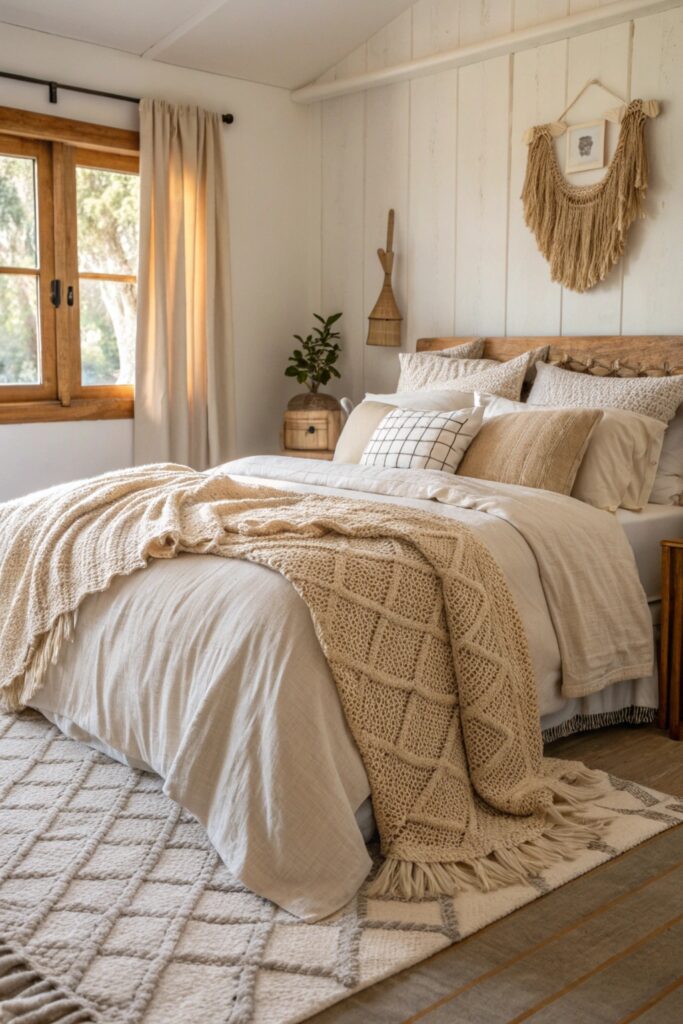
If you’ve ever searched for Japandi kids’ bedroom inspiration while stepping over LEGO bricks and rogue stuffed animals, you’re in good company. I’ve been there, coffee in hand, dreaming of a kids’ room that feels calm and survives real life. Japandi style promises exactly that sweet spot—soft, minimal, and cozy without turning into a museum. Sounds good, right?
I fell in love with Japandi when I realized my kid slept better in calmer spaces. Less chaos, fewer neon colors screaming for attention, and more room to breathe. Let’s talk about realistic, kid-proof Japandi bedroom ideas you can actually use, not just pin and forget.
1. Start with a Soft, Neutral Color Palette
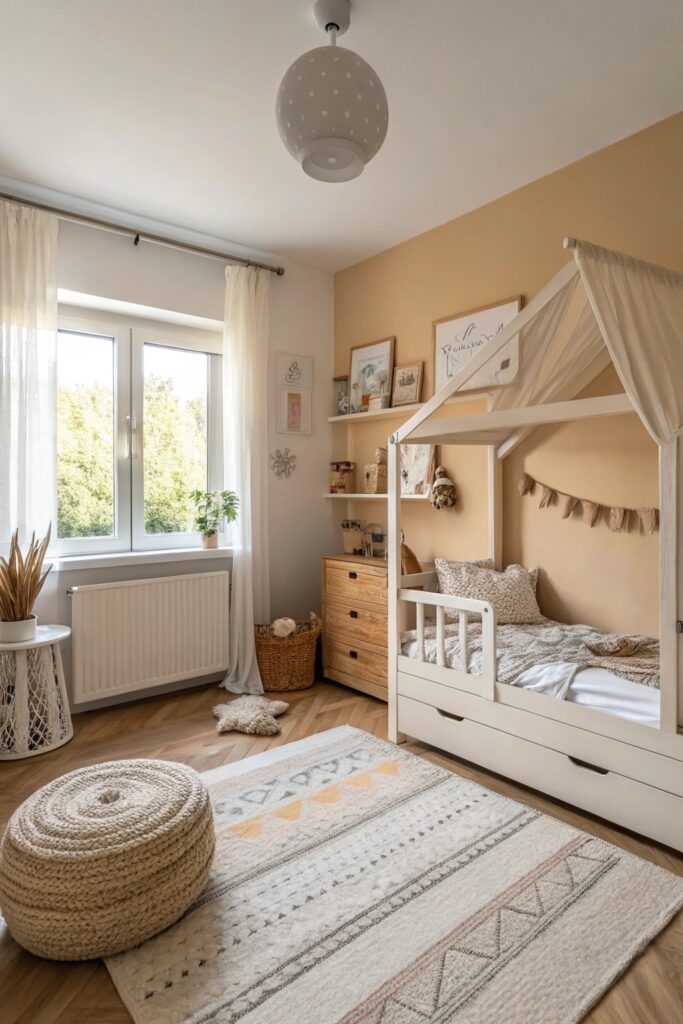
Color sets the mood faster than anything else. Japandi style thrives on warm neutrals, and kids respond surprisingly well to them. Ever noticed how calmer colors lead to calmer evenings?
I usually stick with:
- Warm whites
- Soft beige or greige
- Muted taupe
- Pale clay or sand tones
These shades work magic in a kids’ Japandi room. They feel cozy without boring your child to tears. You can still layer personality later, so don’t panic.
2. Choose Low, Grounded Furniture
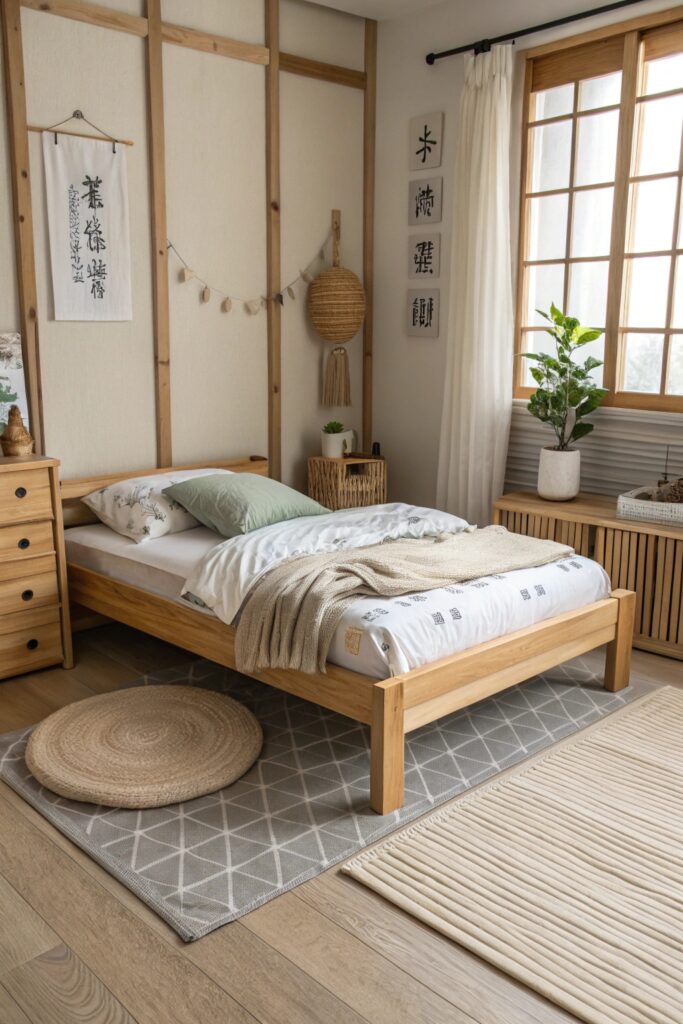
Japandi design borrows heavily from Japanese interiors, which means low furniture rules. Kids already live close to the floor, so this choice just makes sense. Plus, fewer falls equal fewer heart attacks for you.
Low beds:
- Feel safer for young kids
- Encourage independence
- Make rooms look larger
I switched to a low wooden bed once, and bedtime battles magically decreased. Coincidence? I doubt it.
3. Stick with Natural Wood Finishes
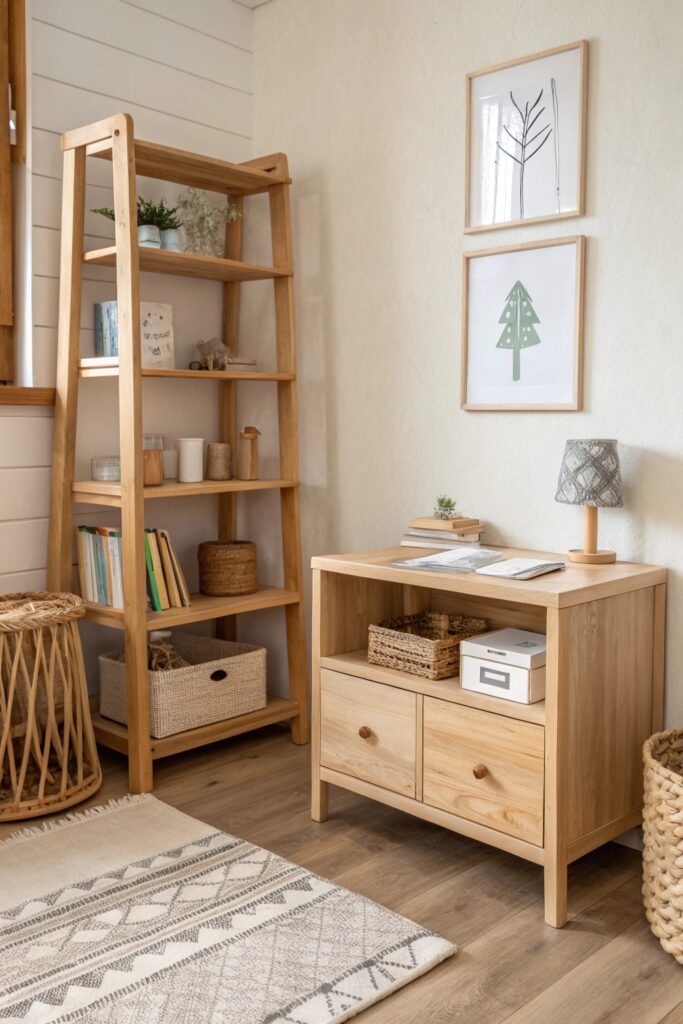
Nothing screams Japandi interior bedroom like natural wood. Light oak, birch, or ash instantly softens a space. Skip glossy finishes unless you enjoy constant fingerprint patrol.
Wood works beautifully for:
- Beds and nightstands
- Toy shelves
- Desks or stools
I love how wood ages gracefully. Scratches blend in, and every mark tells a story. That’s parenting-friendly design at its finest.
4. Keep Decor Minimal but Meaningful
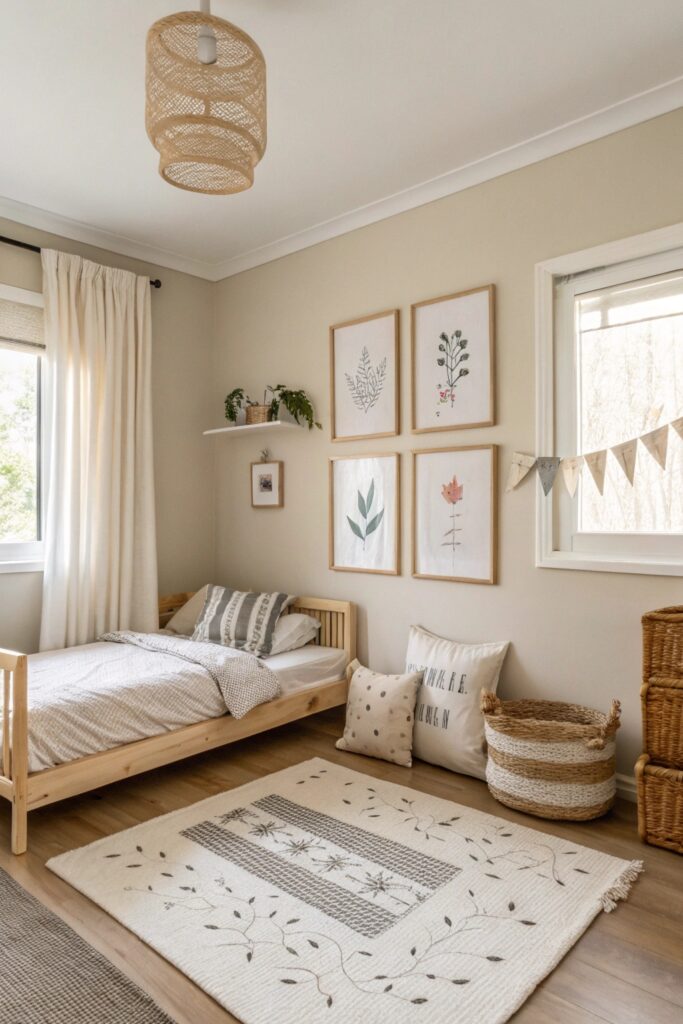
Japandi hates clutter, but kids collect stuff like it’s a sport. The trick lies in editing, not eliminating. Ask yourself: Does this item earn its place?
Try limiting decor to:
- One or two art pieces
- A single wall hanging
- A small plant or branch display
When everything has breathing room, the room feels calm. And yes, calm rooms make calmer mornings. Mostly.
5. Use Soft Textiles for Cozy Layers
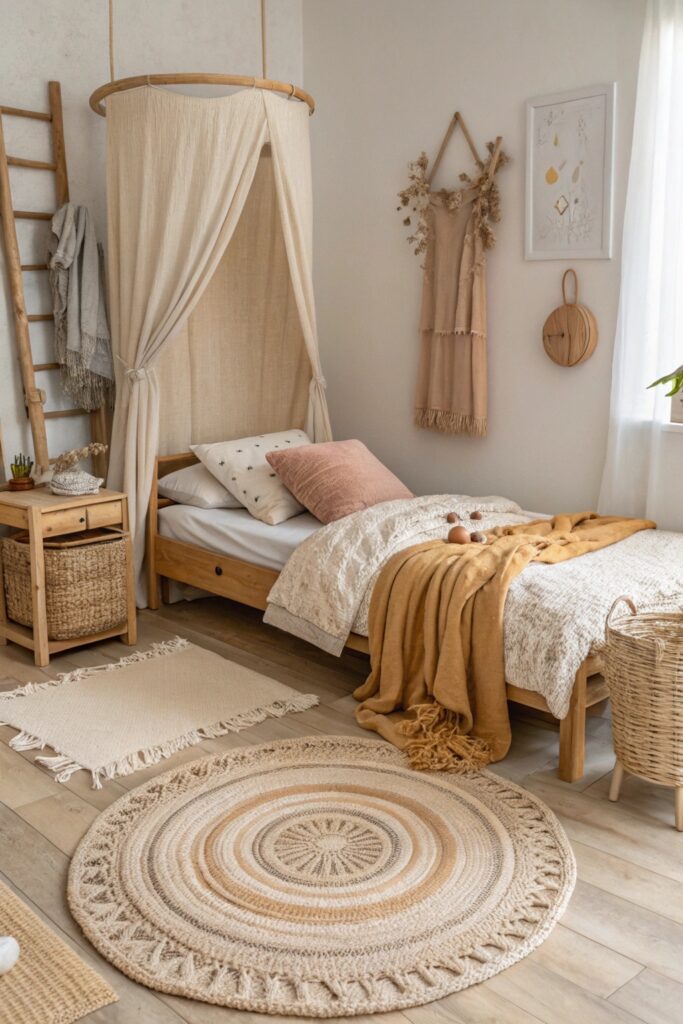
Japandi bedrooms feel soft because they layer textures instead of colors. Think cozy, touchable, and inviting. Kids love texture even more than adults.
My go-to textiles include:
- Linen bedding
- Cotton or wool throws
- Soft woven rugs
Skip anything itchy or delicate. If it can’t survive juice spills and fort-building, it doesn’t belong here.
6. Add Subtle Japanese-Inspired Details
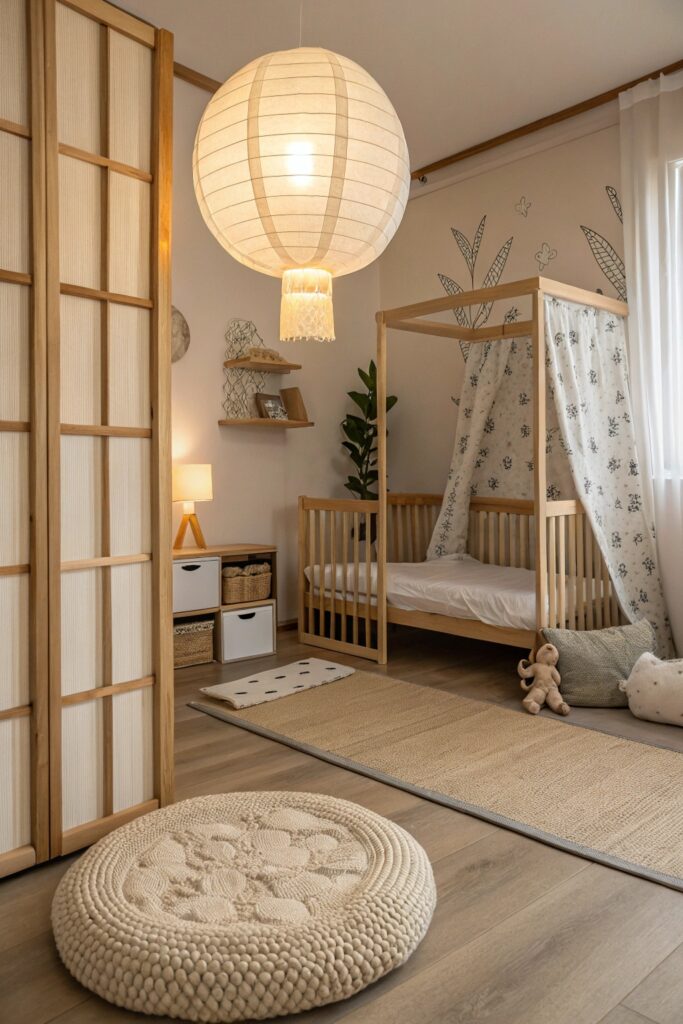
You don’t need lanterns or cherry blossoms everywhere. Japandi works best when you whisper the theme instead of shouting it. Subtle nods do the trick.
Simple ideas:
- Slatted wood panels
- Minimal paper-style lamps
- Floor cushions for reading
I added a small floor cushion once, and my kid claimed it as a “thinking spot.” I’ll take that win.
7. Smart Storage That Blends In
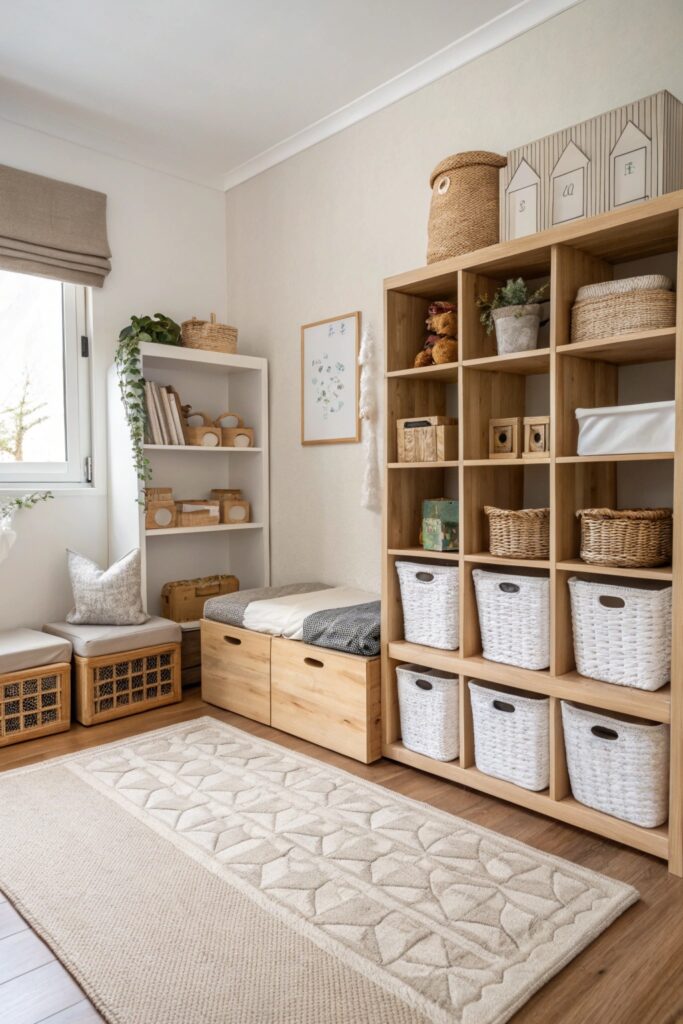
Storage can either ruin a room or save your sanity. Japandi bedroom ideas favor hidden or beautiful storage solutions. Plastic bins are rarely cut.
Look for:
- Wooden boxes with lids
- Neutral fabric baskets
- Built-in shelves
When storage looks intentional, kids learn to use it. Okay, sometimes. But it still helps.
8. Keep Lighting Soft and Layered
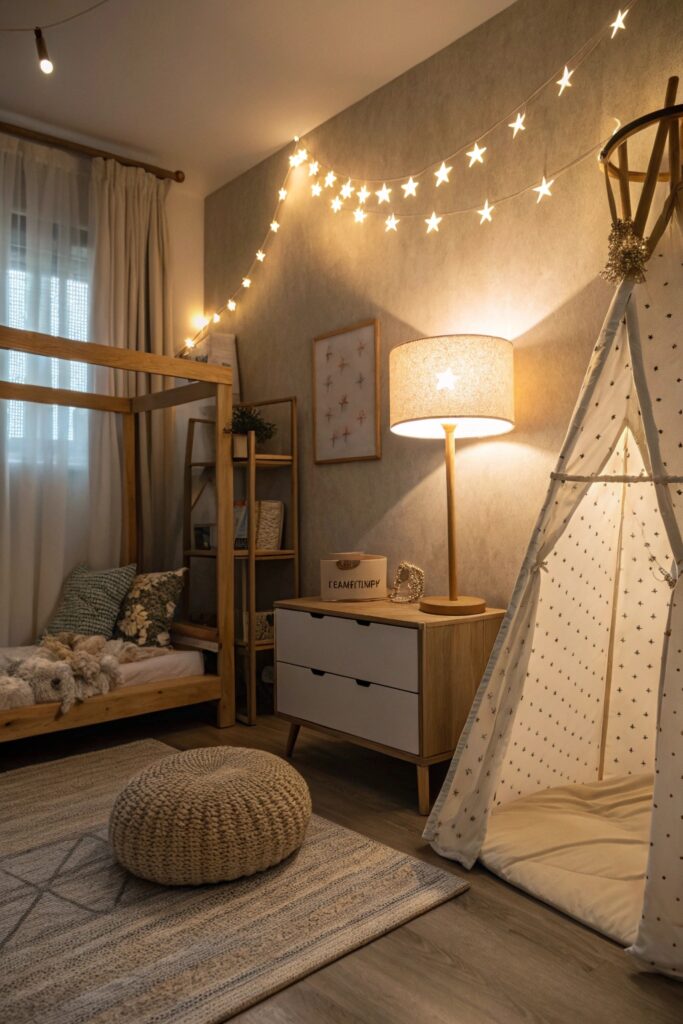
Harsh lighting kills calm faster than a sugar rush before bed. Japandi kids’ bedrooms shine with warm, layered lighting that eases kids into rest mode.
Use:
- Warm LED bulbs
- Table lamps or wall sconces
- Soft night lights
I swear bedtime routines feel smoother when the lighting feels gentle. Bright lights just scream “dance party,” don’t they?
9. Bring Nature Inside (Without the Mess)
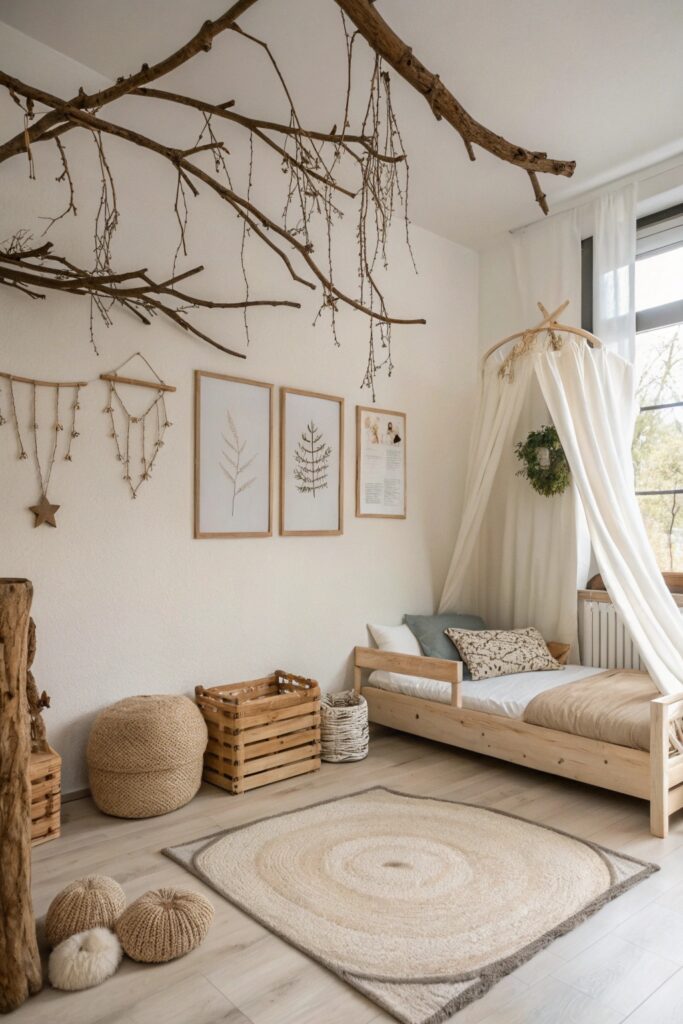
Japandi style thrives on nature, but kids and real plants don’t always mix well. I learned that lesson the hard way. You can still bring natural vibes safely.
Try:
- Dried branches
- Faux plants with realistic texture
- Nature-inspired art
These elements ground the space and create a peaceful atmosphere without daily plant funerals.
10. Let Kids Personalize Within Boundaries
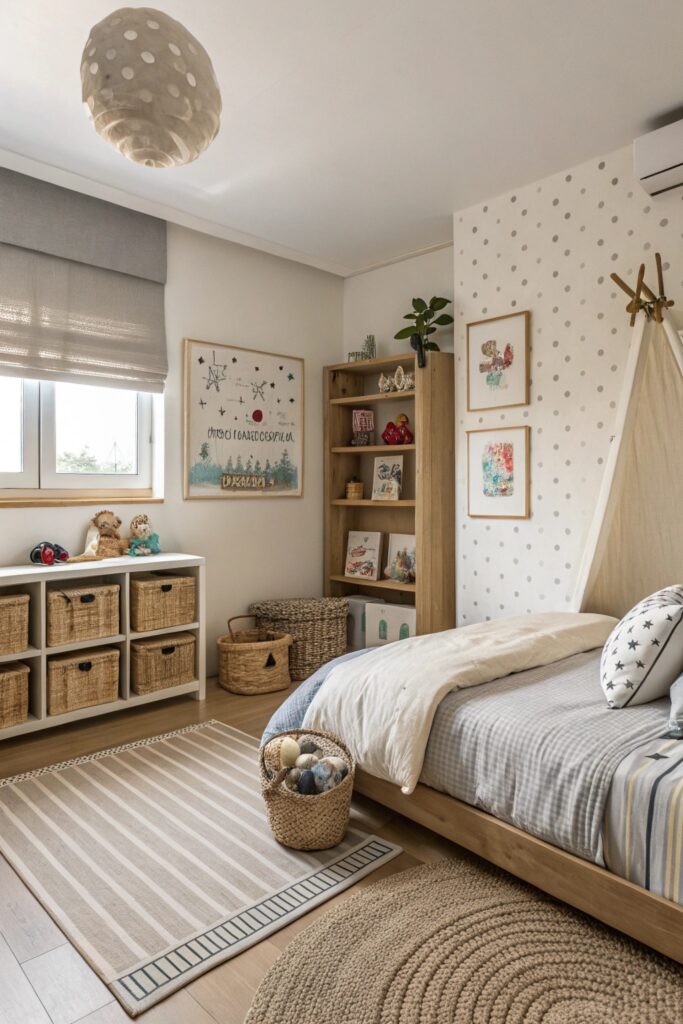
Japandi doesn’t mean stripping away personality. Kids need ownership of their space. The key lies in giving choices that still fit the aesthetic.
Offer controlled options like:
- Two bedding colors
- A small pinboard for art
- A rotating shelf for favorite toys
This balance keeps the room calm while letting kids feel heard. Isn’t that the parenting dream?
How Japandi Works Better Than Other Styles for Kids
I’ve tried colorful themes and character rooms before. They look fun for five minutes and exhausting forever. Japandi bedrooms grow with your child and don’t beg for constant updates.
Compared to louder styles:
- Japandi feels timeless
- It reduces visual noise
- It supports better sleep routines
When rooms feel calm, kids act calmer. No magic spells required.
Common Mistakes to Avoid in a Japandi Kids’ Bedroom
Even good intentions can go sideways. I’ve made every mistake on this list, so learn from me.
Avoid:
- Overloading neutral rooms with toys on display
- Choosing furniture that feels too adult
- Ignoring softness in favor of minimalism
Japandi works best when it stays warm, flexible, and kid-friendly.
Final Thoughts on Creating a Japandi Kids Bedroom
A Japandi kids’ bedroom doesn’t chase perfection. It embraces softness, balance, and real-life messes with grace. Neutral colors, natural materials, and thoughtful choices turn kids’ rooms into calm retreats instead of chaotic storage units.
If you want a kids’ Japandi room that feels peaceful without losing personality, start small and stay intentional. Swap one piece at a time and watch the room transform. Calm spaces raise calmer kids—and honestly, calmer parents too.