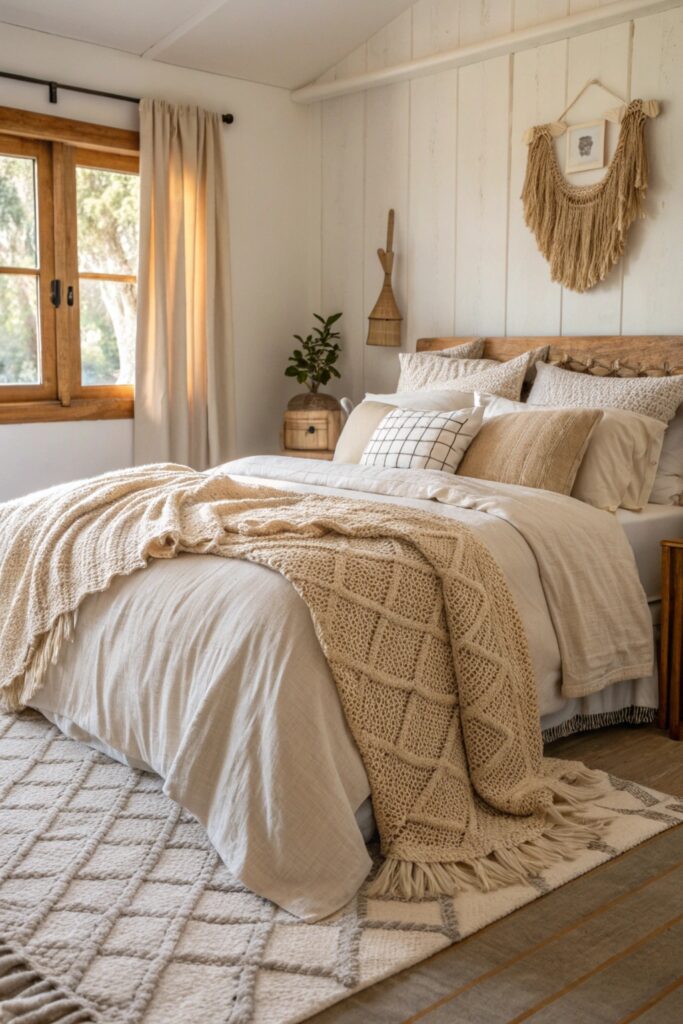
If you’ve been scrolling Pinterest at midnight, wondering how a dark Japandi bedroom can feel cozy instead of gloomy, you’re not alone. I obsessed over this exact problem while redesigning my own bedroom, coffee in hand, slightly overconfident. Japandi looks calm and minimal, but once you go dark, things get interesting fast. Ready to make the moody look warm and livable instead of “abandoned hotel room”? Let’s talk.
Why Dark Japandi Bedrooms Feel So Right (When Done Correctly)
I’ll say it upfront: dark Japandi feels intimidating. People worry about making the room feel smaller or depressing. I worried too, right until I saw how warm woods and soft textures changed everything.
A modern Japandi bedroom thrives on contrast. Dark colors ground the space, while natural elements soften the edges. You just need to balance restraint with comfort. Ever noticed how the best hotel rooms always feel dark yet relaxing?
1. Charcoal Walls With Warm Oak Furniture
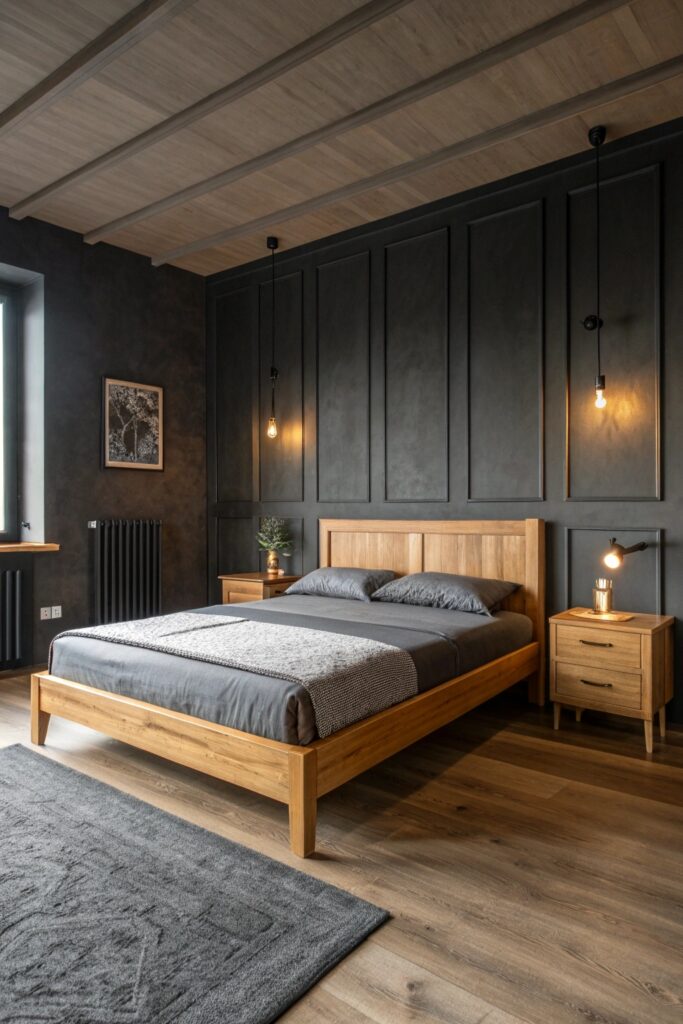
Dark walls scare people. Charcoal walls should scare people less.
I painted my bedroom walls charcoal gray, and I paired them with warm oak furniture. The room instantly felt intentional instead of heavy. Wood brings life into darkness, which matters more than people admit.
Why this works so well:
- Charcoal adds depth without feeling pitch black
- Oak introduces warmth and organic contrast
- Natural grain keeps the space grounded
Would I recommend jet black walls here? Not unless you enjoy living inside a dramatic film noir.
2. Low-Profile Platform Beds in Dark Wood
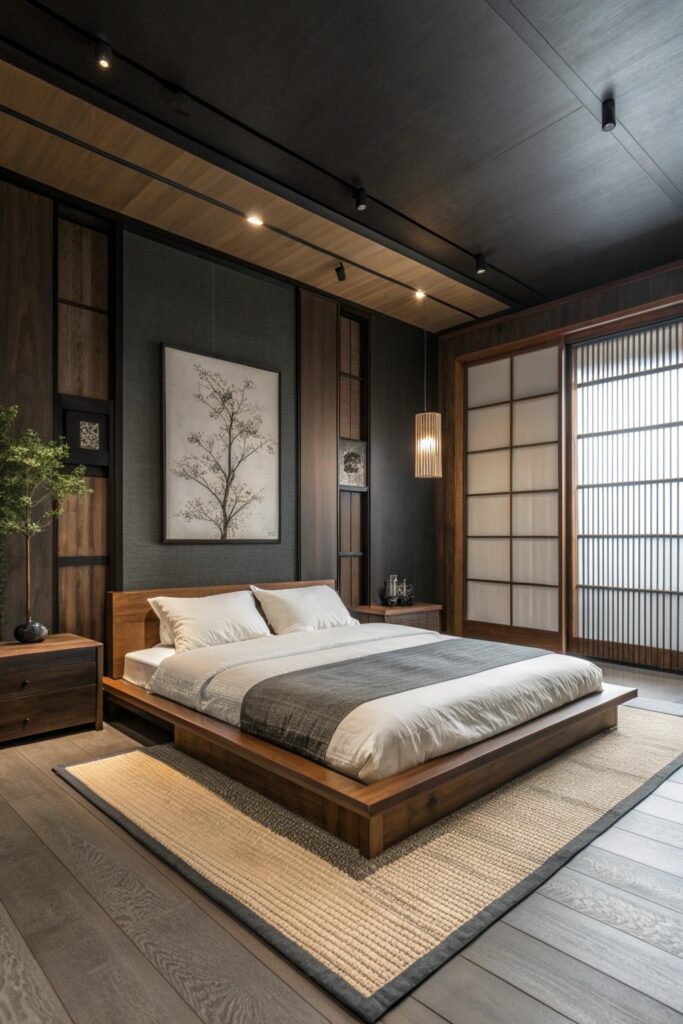
Japandi loves low furniture. Dark Japandi loves it even more.
A low-profile platform bed in walnut or espresso wood anchors the room beautifully. I switched from a tall bed frame, and the room suddenly felt calmer and wider. The visual weight stays low, which matters with darker tones.
Best materials to consider:
- Solid walnut
- Dark-stained oak
- Matte-finished teak
Ever notice how a bulky bed frame can ruin an otherwise perfect Japandi interior bedroom?
3. Soft Linen Bedding in Warm Neutrals
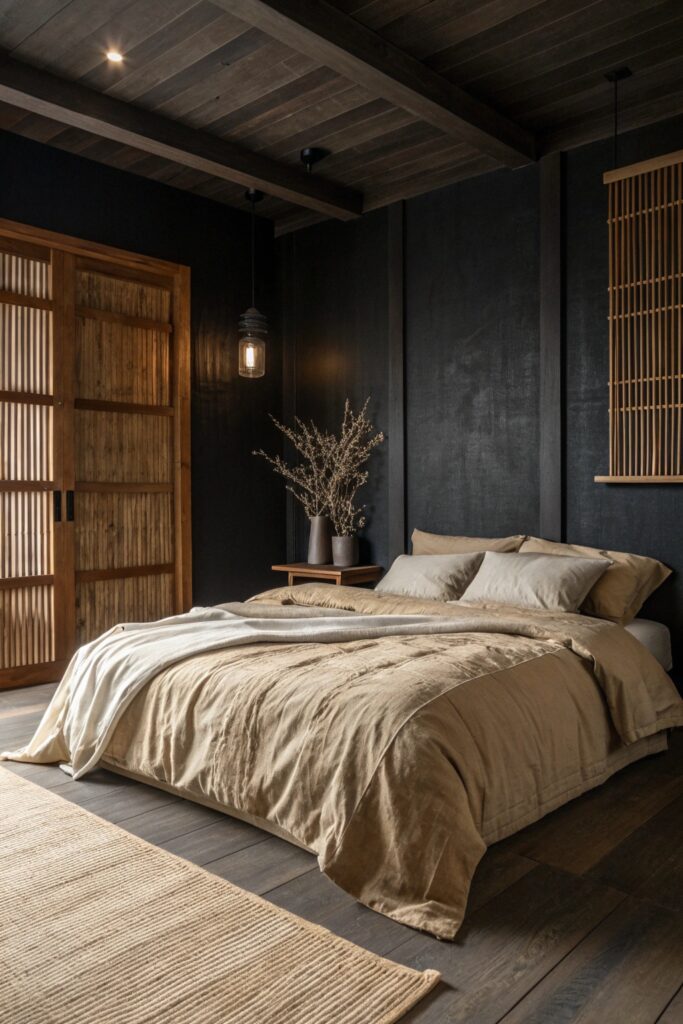
Dark walls don’t mean dark bedding. That mistake haunts people.
I use warm beige linen sheets, and they balance the darkness instantly. Linen adds texture without shouting for attention. Plus, it wrinkles in that effortlessly stylish way we all pretend we planned.
Go-to bedding colors:
- Warm beige
- Soft sand
- Muted taupe
Ask yourself this: doesn’t a bed look more inviting when it looks slightly imperfect?
4. Black Accent Walls With Wooden Slat Panels
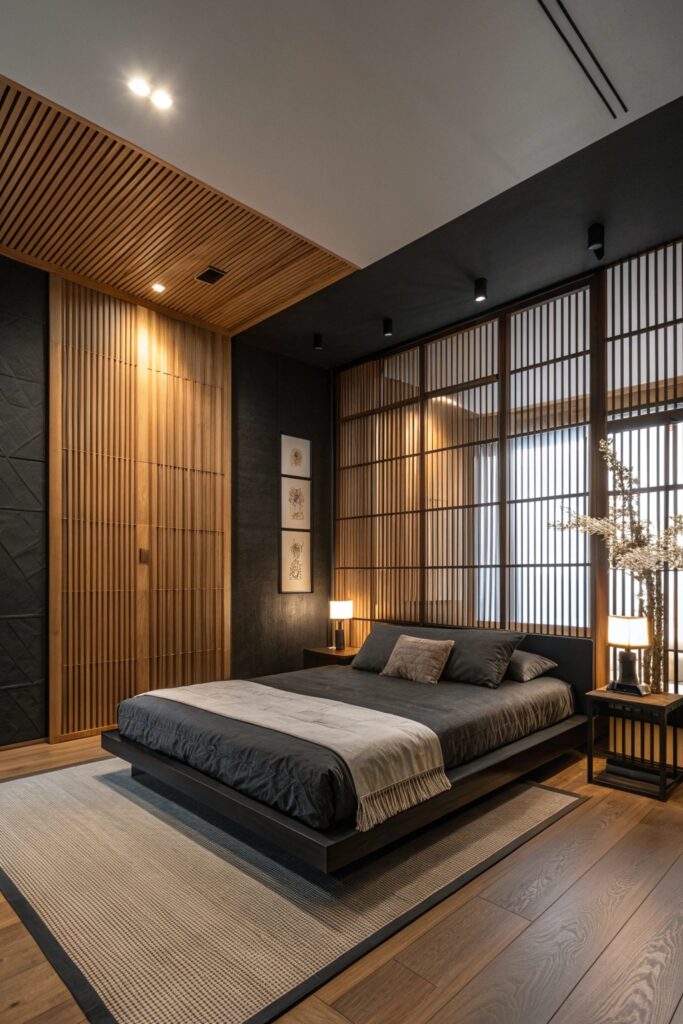
If you want drama without regret, try slatted wood panels.
I installed vertical wooden slats against a black accent wall, and wow—it changed everything. The slats break up the darkness while adding rhythm and texture. The room feels architectural instead of flat.
Why slat panels shine:
- They soften dark walls
- They add subtle visual movement
- They enhance acoustic comfort
Honestly, this idea alone can define a dark Japandi bedroom.
5. Warm Ambient Lighting (No Hospital Lights Allowed)
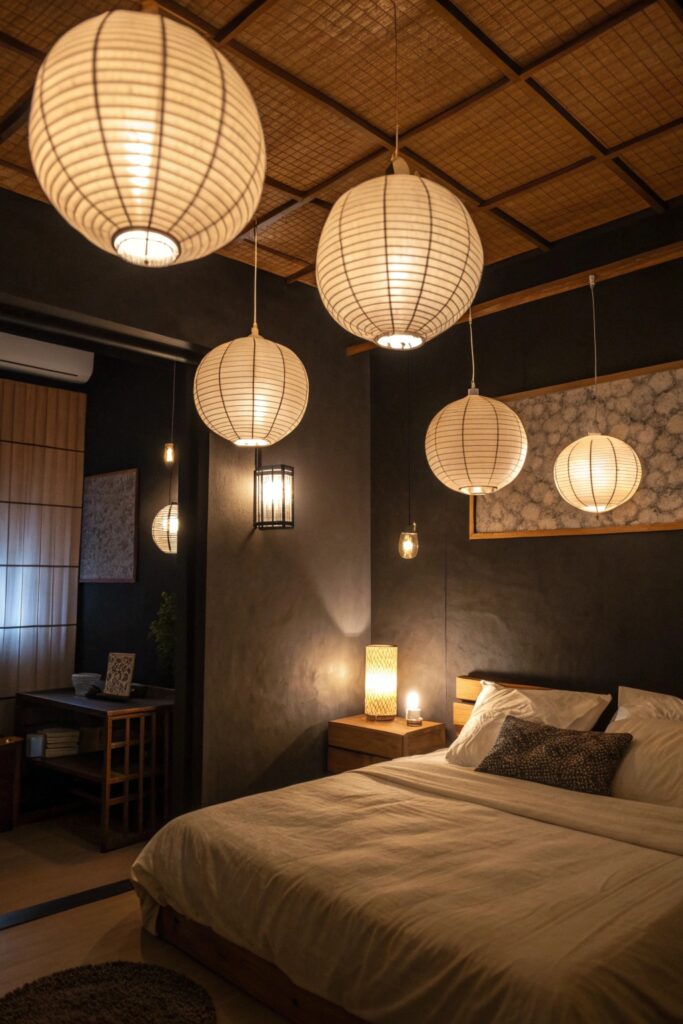
Lighting makes or breaks dark spaces. No exceptions.
I ditched overhead white lights and added warm LED strips, paper lanterns, and bedside sconces. The room suddenly felt intimate instead of clinical. Japandi lighting should whisper, not scream.
Lighting tips that always work:
- Use warm bulbs (2700K max)
- Add layered lighting sources
- Avoid harsh ceiling fixtures
Who actually enjoys blinding lights before bed anyway?
6. Minimal Decor With Black Ceramic Accents
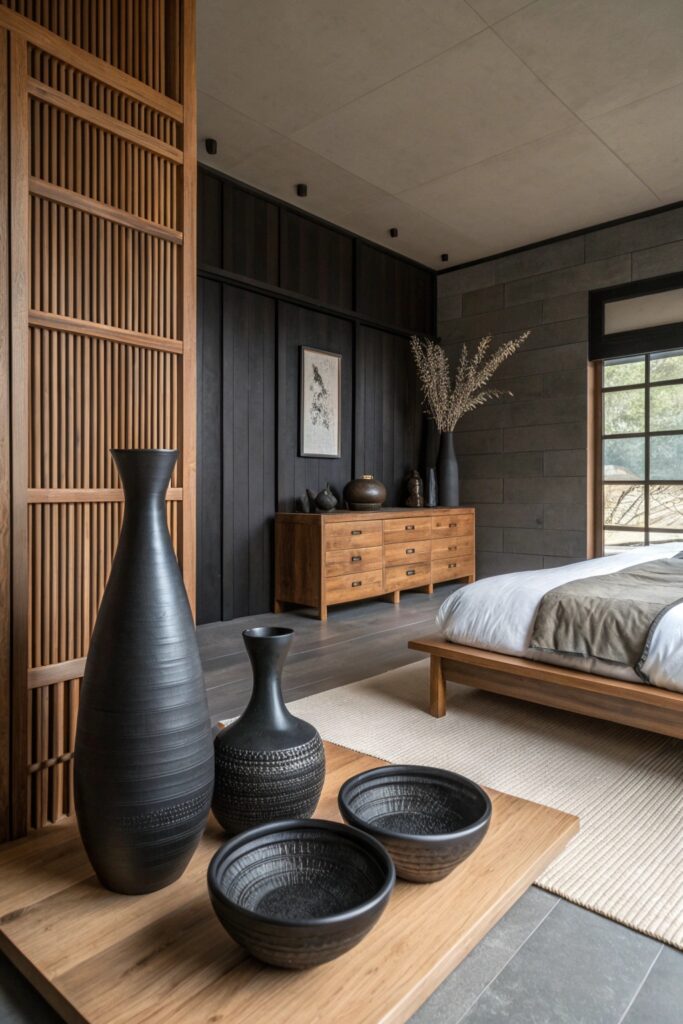
Japandi hates clutter. Dark Japandi despises it.
I limited decor to a few black ceramic vases and handcrafted bowls. Each piece earned its spot. Dark ceramics add contrast without overpowering the room.
Decor rules I live by:
- Fewer items, bigger impact
- Handmade beats mass-produced
- Matte feels calmer
Ever noticed how one beautiful object beats ten mediocre ones every time?
7. Tatami-Inspired Rugs in Muted Tones
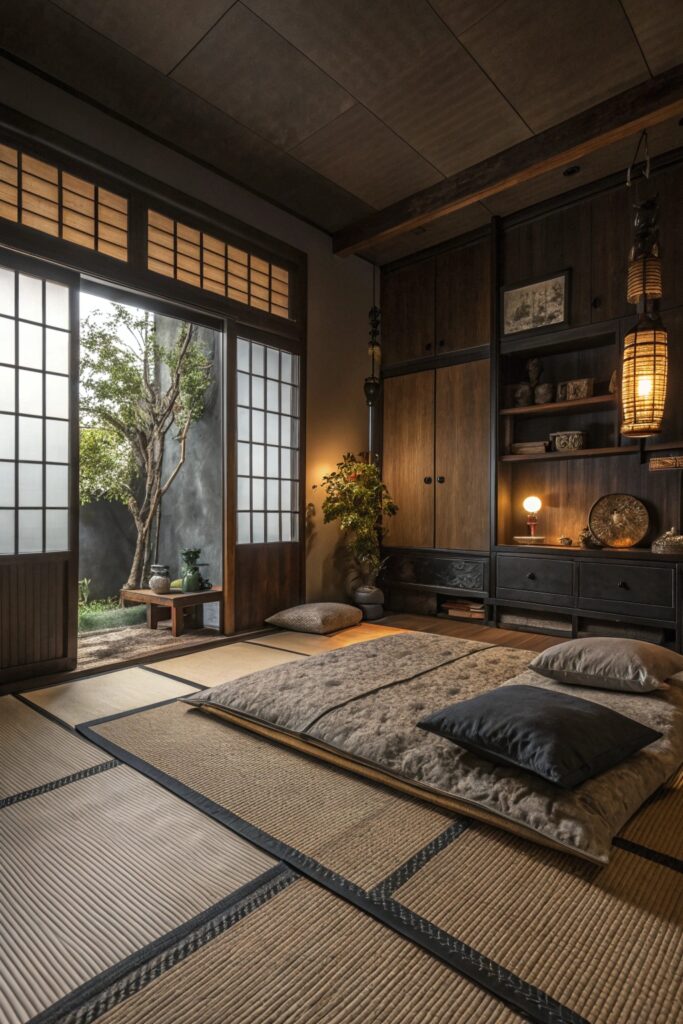
Cold floors ruin cozy vibes fast.
I added a tatami-style woven rug in muted brown tones. The texture feels grounding underfoot, and the color warms the space without competing. Rugs matter more in dark rooms than people realize.
Ideal rug features:
- Flat-weave or natural fiber
- Earthy brown or clay tones
- Minimal patterns
Would you walk barefoot more often if the floor felt inviting?
8. Dark Wood Nightstands With Hidden Storage
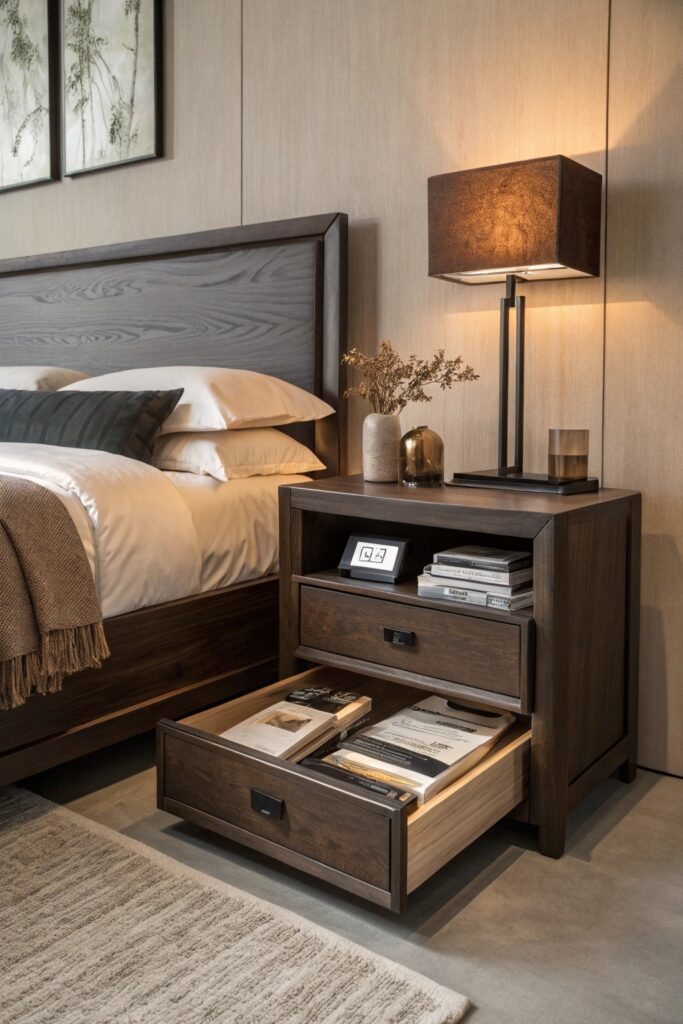
Visible clutter kills serenity. I learned that the hard way.
I swapped open shelves for dark wood nightstands with hidden drawers. Everything stayed tucked away, and the room instantly felt calmer. Japandi thrives on quiet order.
Nightstand must-haves:
- Flush handles
- Soft-close drawers
- Matching wood tones
Do you really need to see five charging cables while falling asleep?
9. Indoor Plants for Organic Contrast
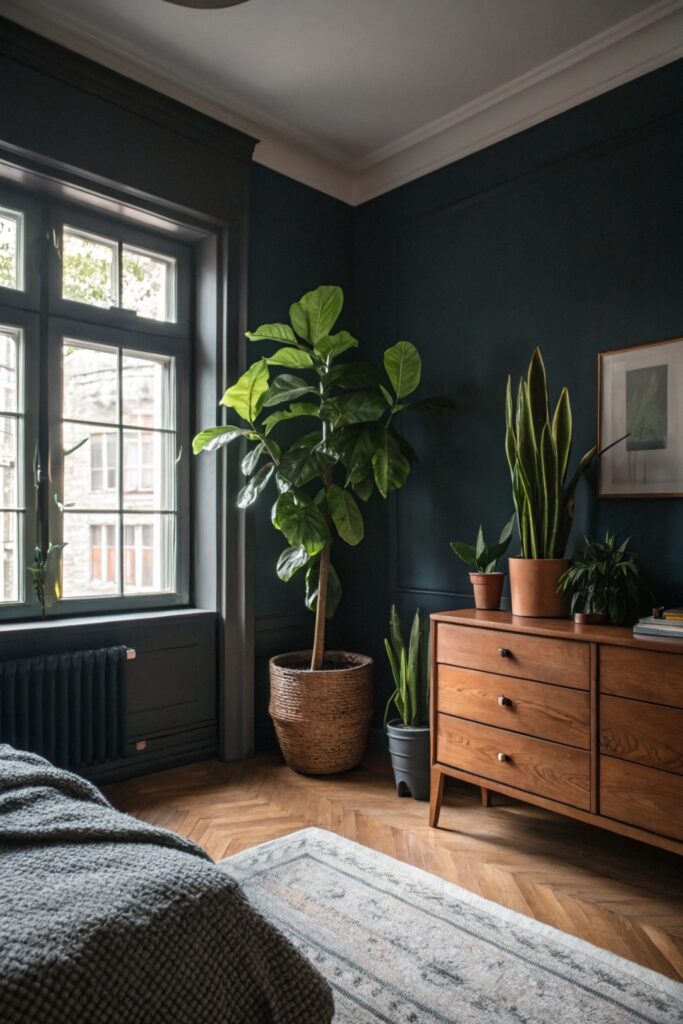
Plants save dark rooms. Period.
I placed a tall fiddle leaf fig near the window and added smaller plants on low stools. Green pops beautifully against dark walls and wood tones. Nature always softens minimalism.
Best plants for Japandi bedrooms:
- Fiddle leaf fig
- Snake plant
- Rubber plant
Who said minimal design can’t feel alive?
10. Textured Walls With Limewash or Clay Paint
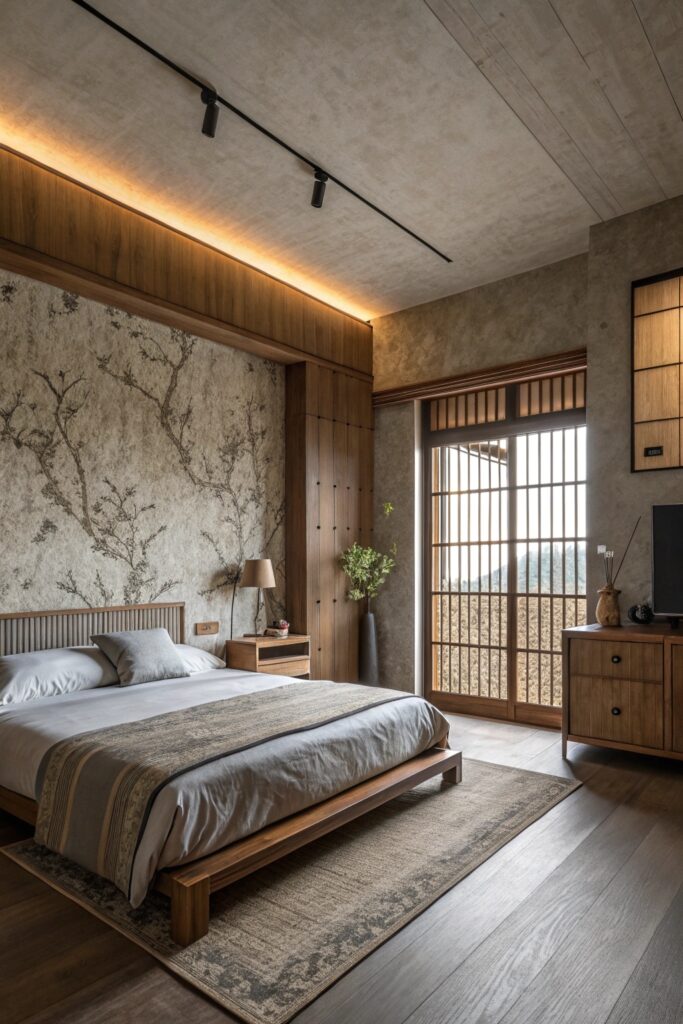
Flat paint feels boring fast.
I tried limewash paint on one wall, and the subtle texture made the room feel soulful. The finish reflects light softly, which matters in a dark palette. Texture adds warmth without adding stuff.
Why textured paint works:
- It adds depth without patterns
- It reacts beautifully to light
- It feels timeless
Ever noticed how imperfect finishes age better than perfect ones?
Common Mistakes to Avoid in a Dark Japandi Bedroom
Even good ideas fail with bad execution. I’ve made these mistakes, so you don’t have to.
Avoid these traps:
- Using cool gray instead of warm undertones
- Overdecorating minimalist spaces
- Ignoring lighting layers
Dark Japandi needs intention, not guesswork.
How Dark Japandi Differs From Regular Japandi
People confuse these styles constantly. Let’s clear that up.
A typical Japandi bedroom decor palette stays light and airy. A dark version leans moody while keeping balance. The philosophy stays the same, but the color story matures.
Key differences:
- Darker walls and furniture
- Stronger contrast
- More emphasis on texture
Which version suits your personality better?
Final Thoughts: Should You Try a Dark Japandi Bedroom?
A dark Japandi bedroom rewards patience and restraint. It feels calming, grounded, and deeply personal when done right. Warm woods, soft lighting, and honest materials make all the difference.
If you crave calm but hate boring spaces, this style fits beautifully. Start small, trust your instincts, and let contrast do the heavy lifting. Who knows—you might finally stop scrolling at midnight and actually sleep.